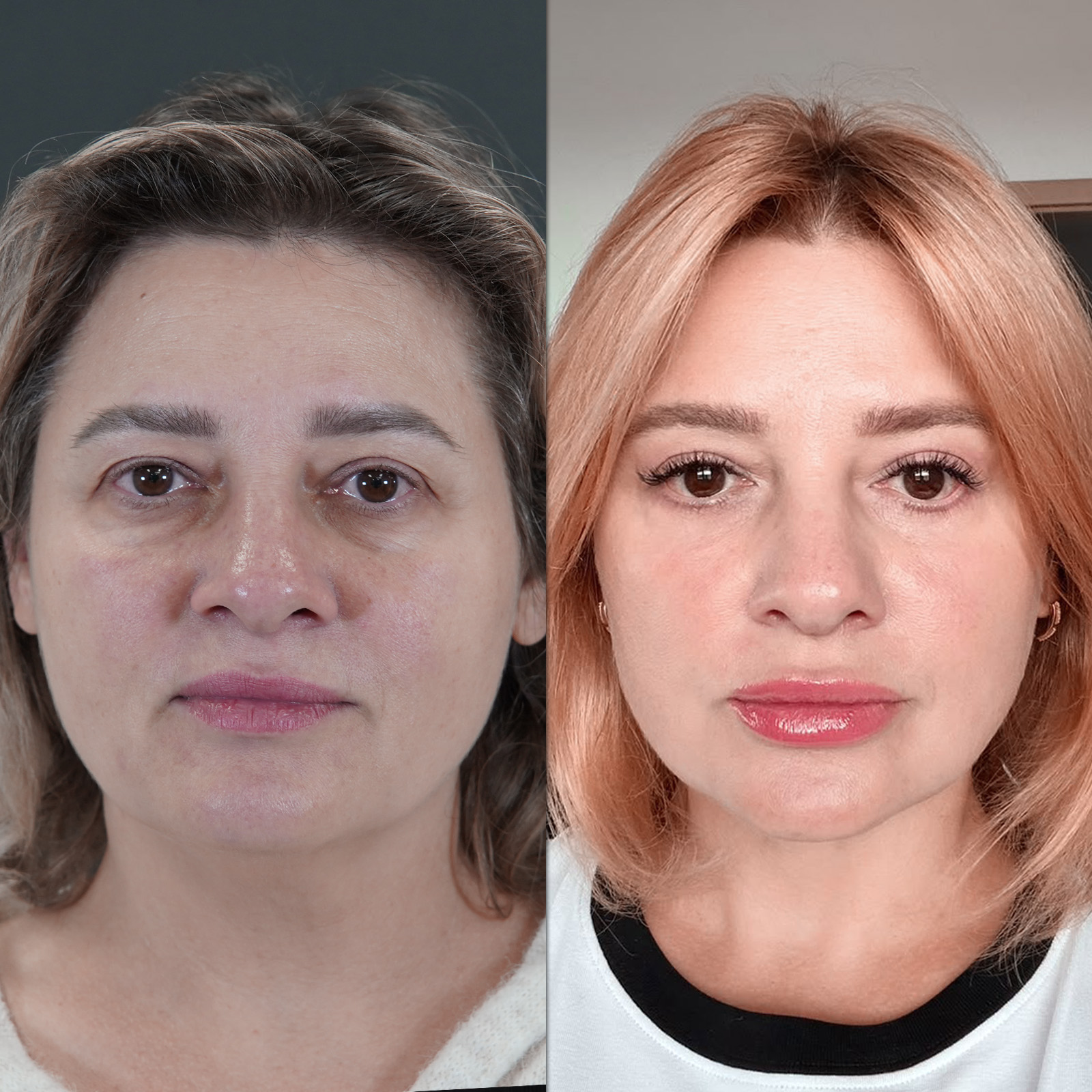
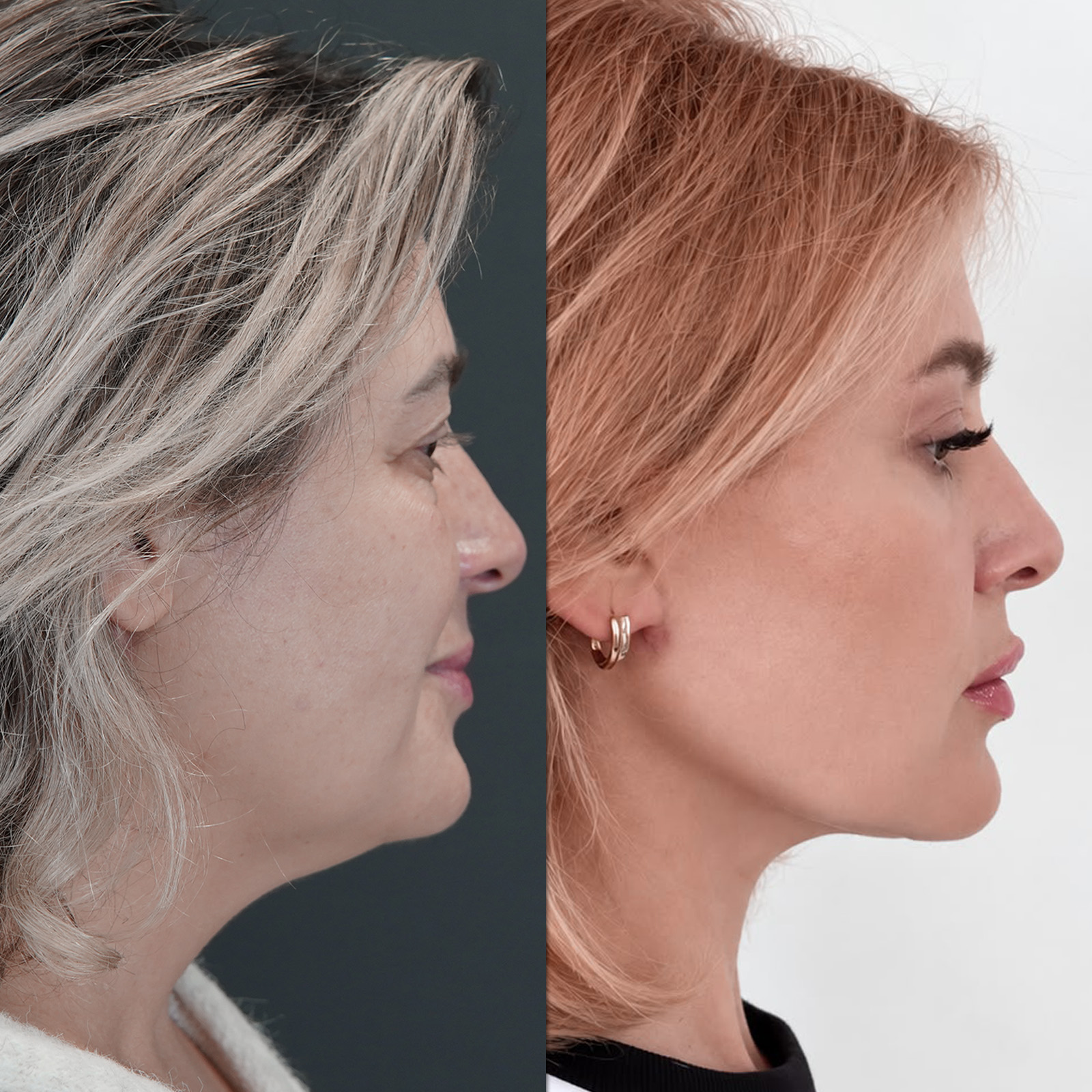
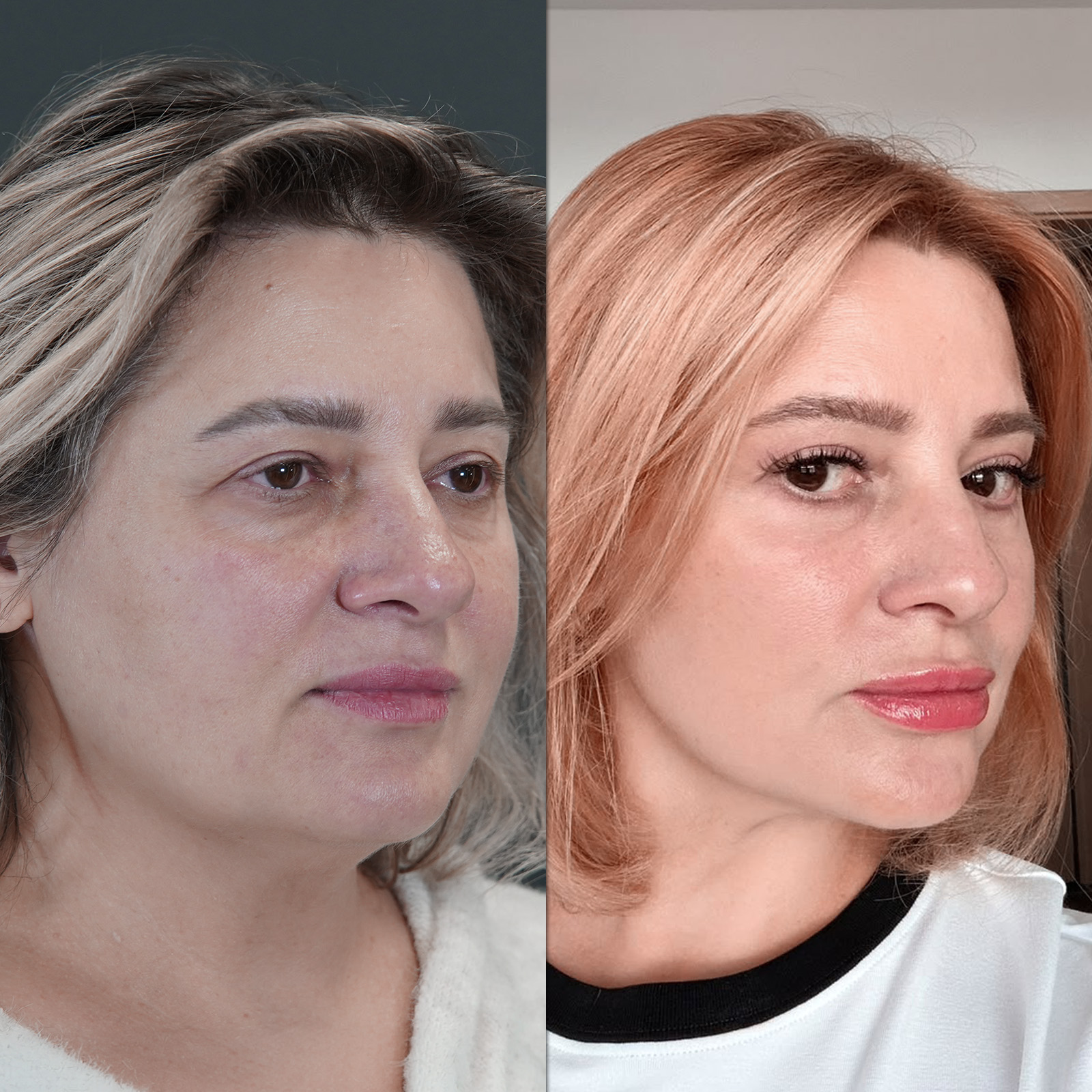
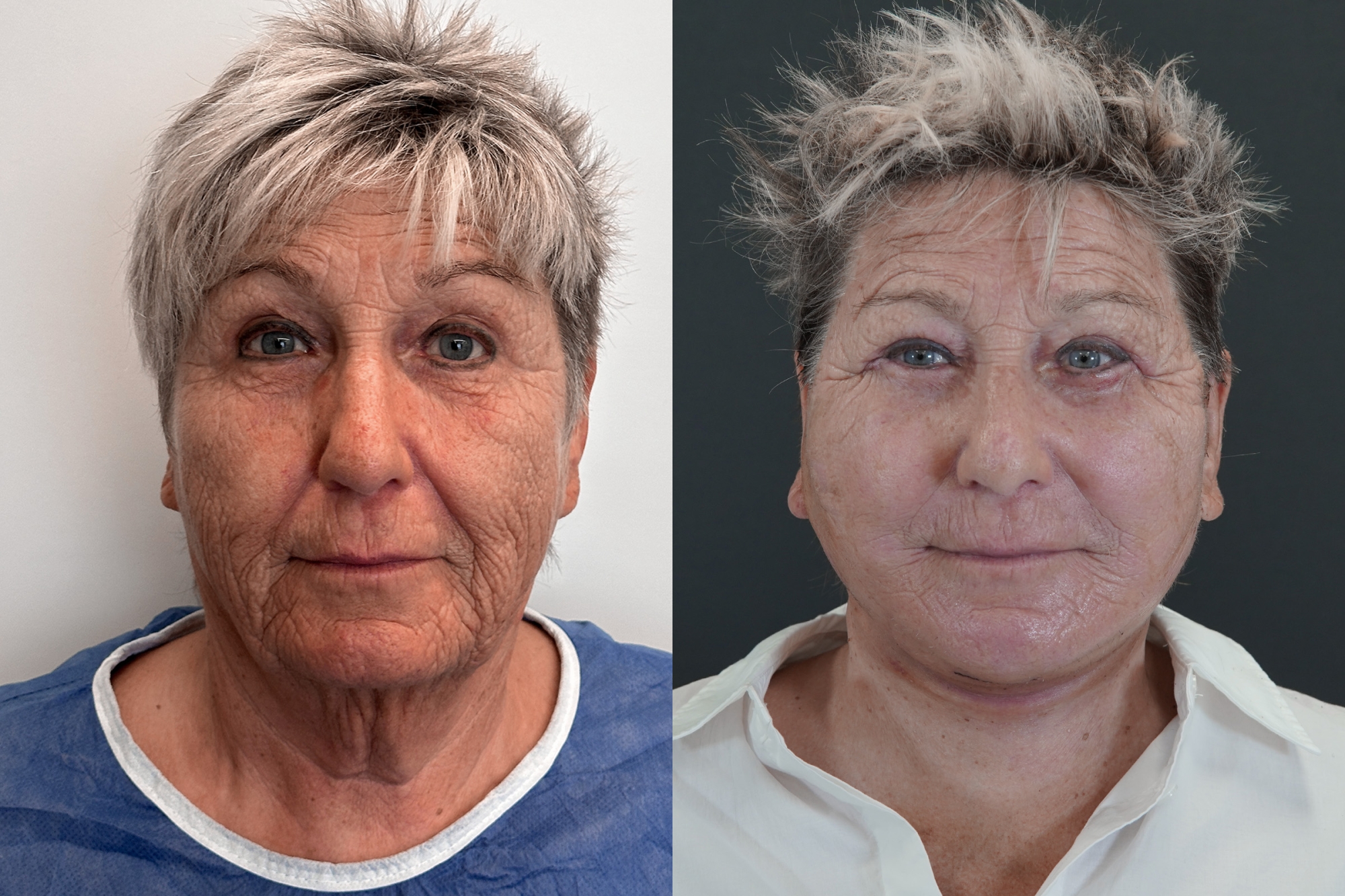
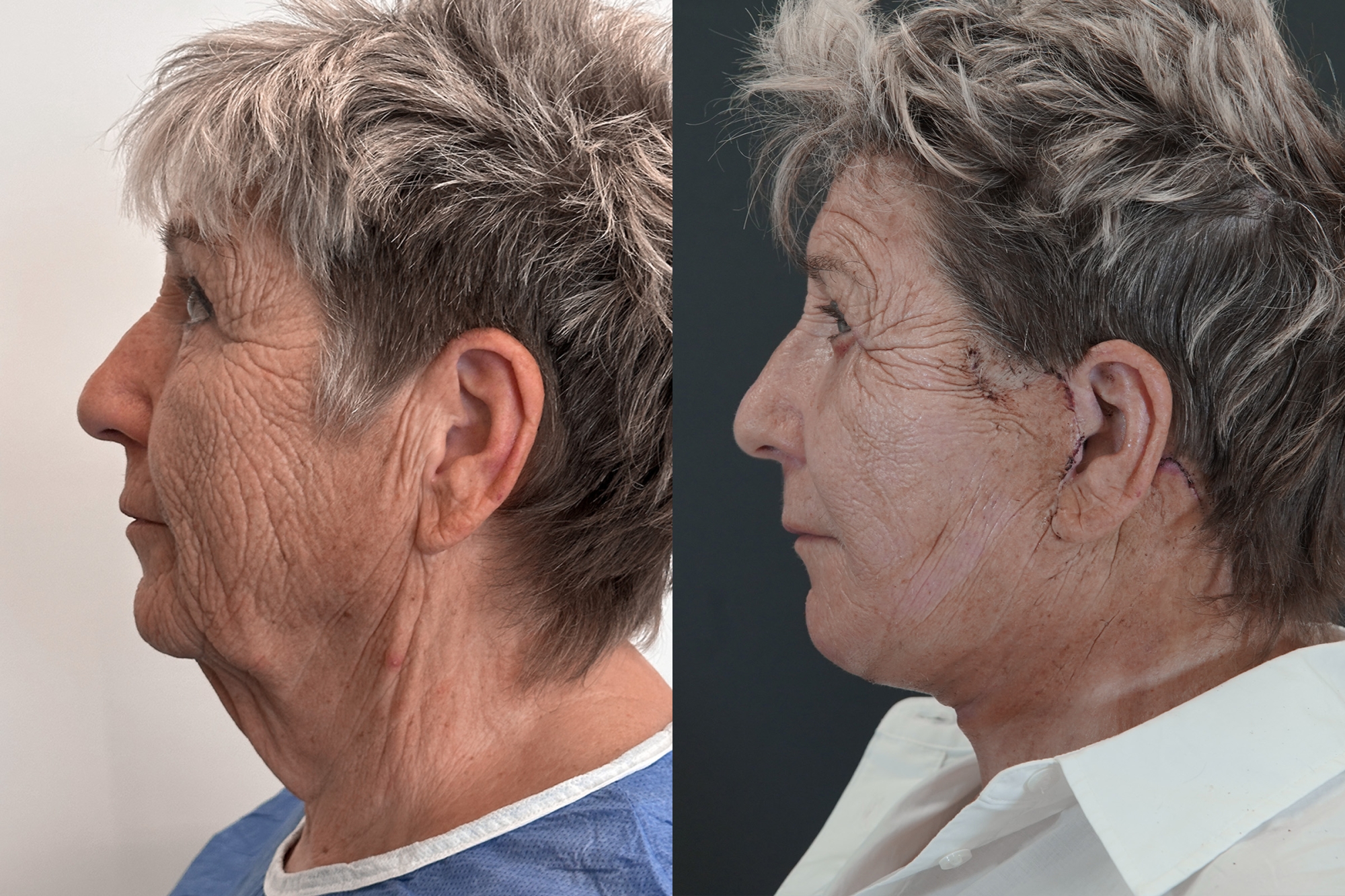
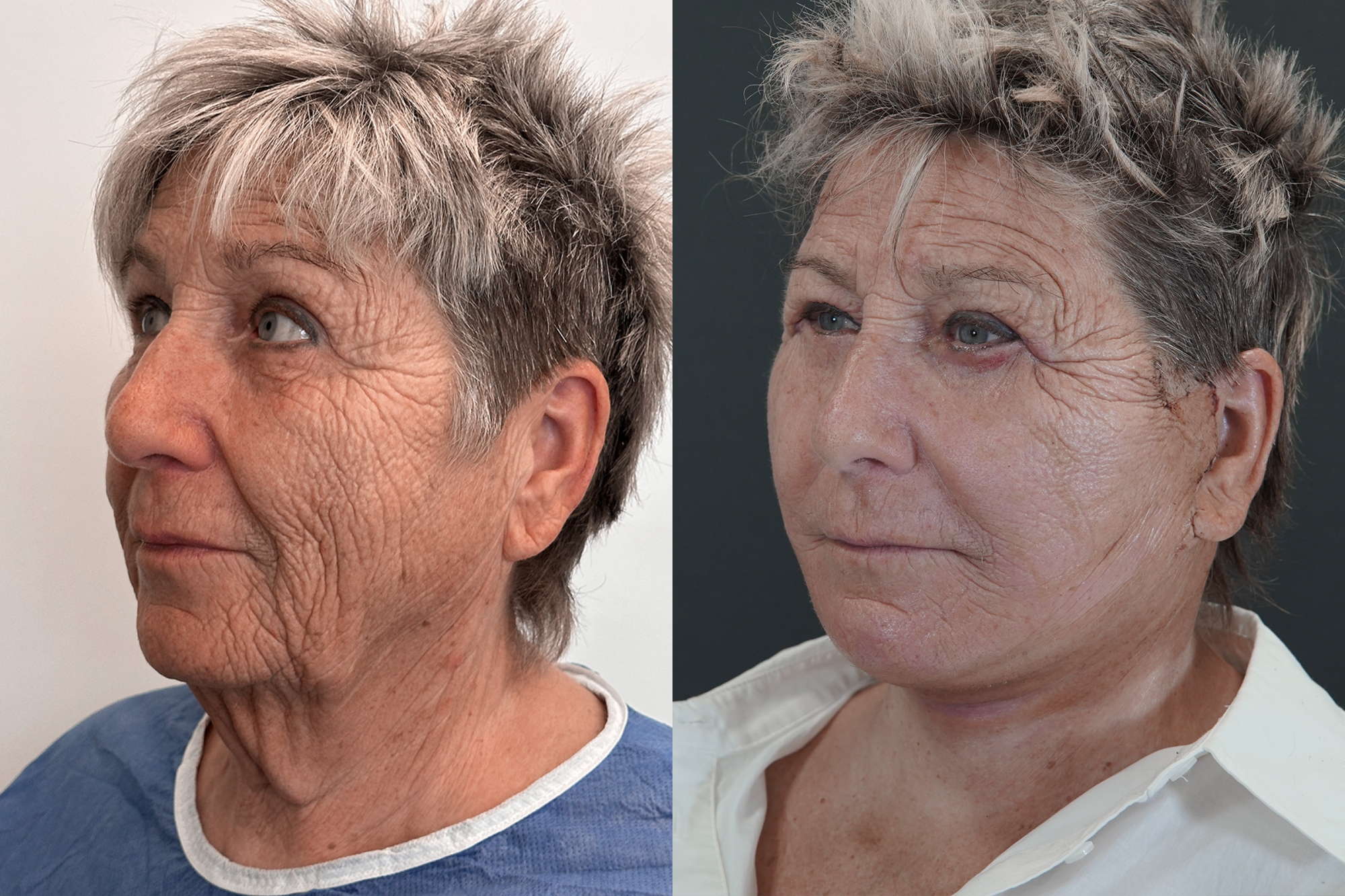
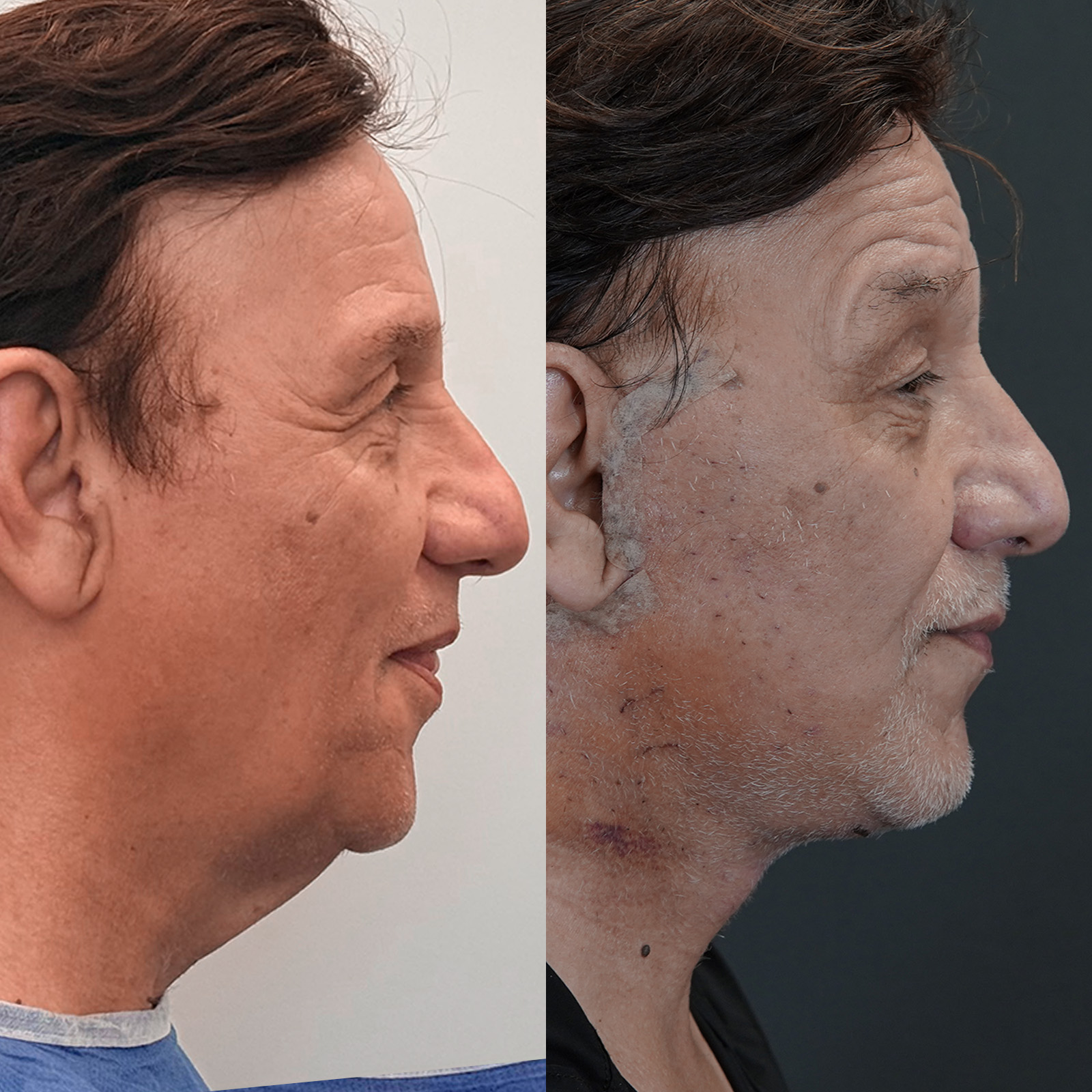
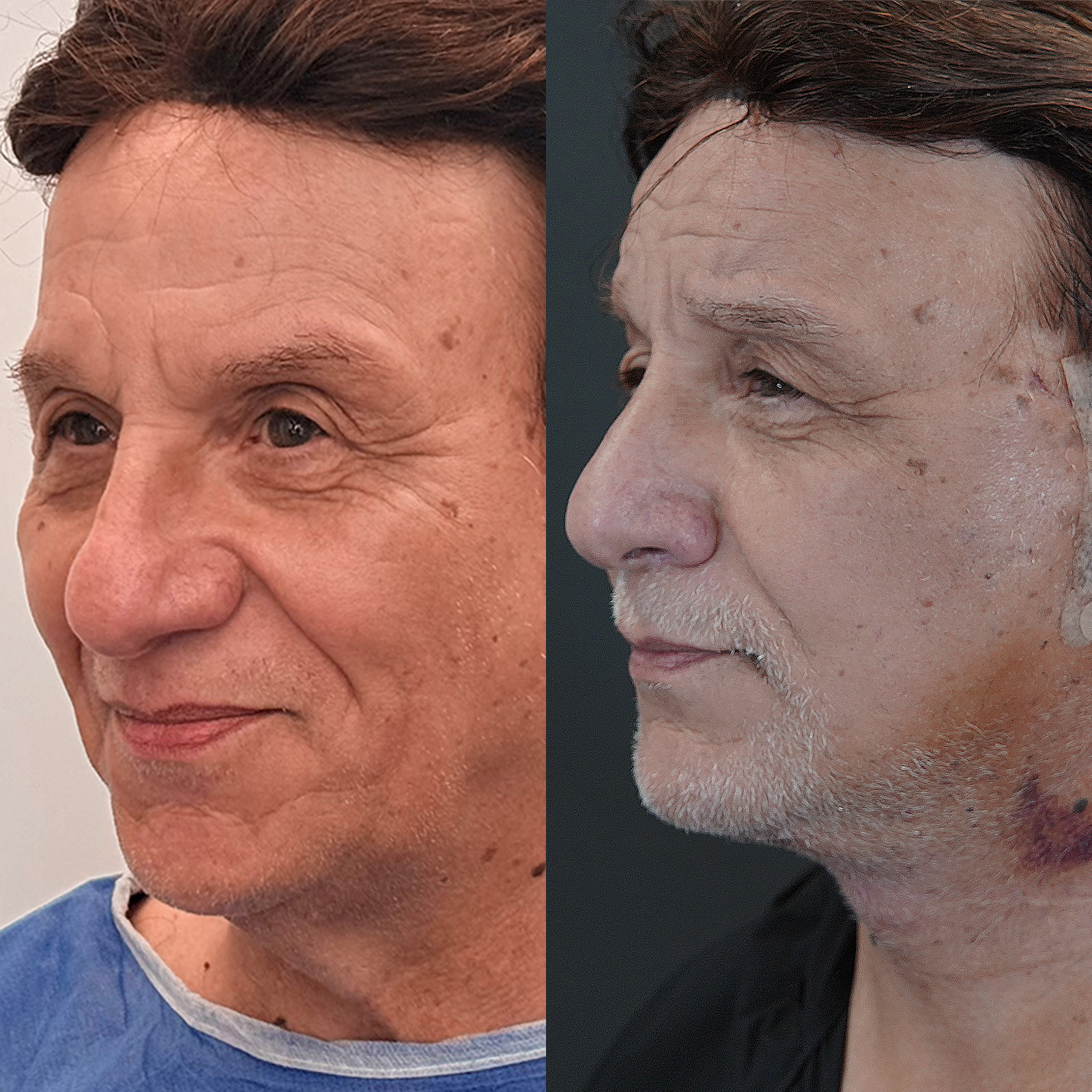
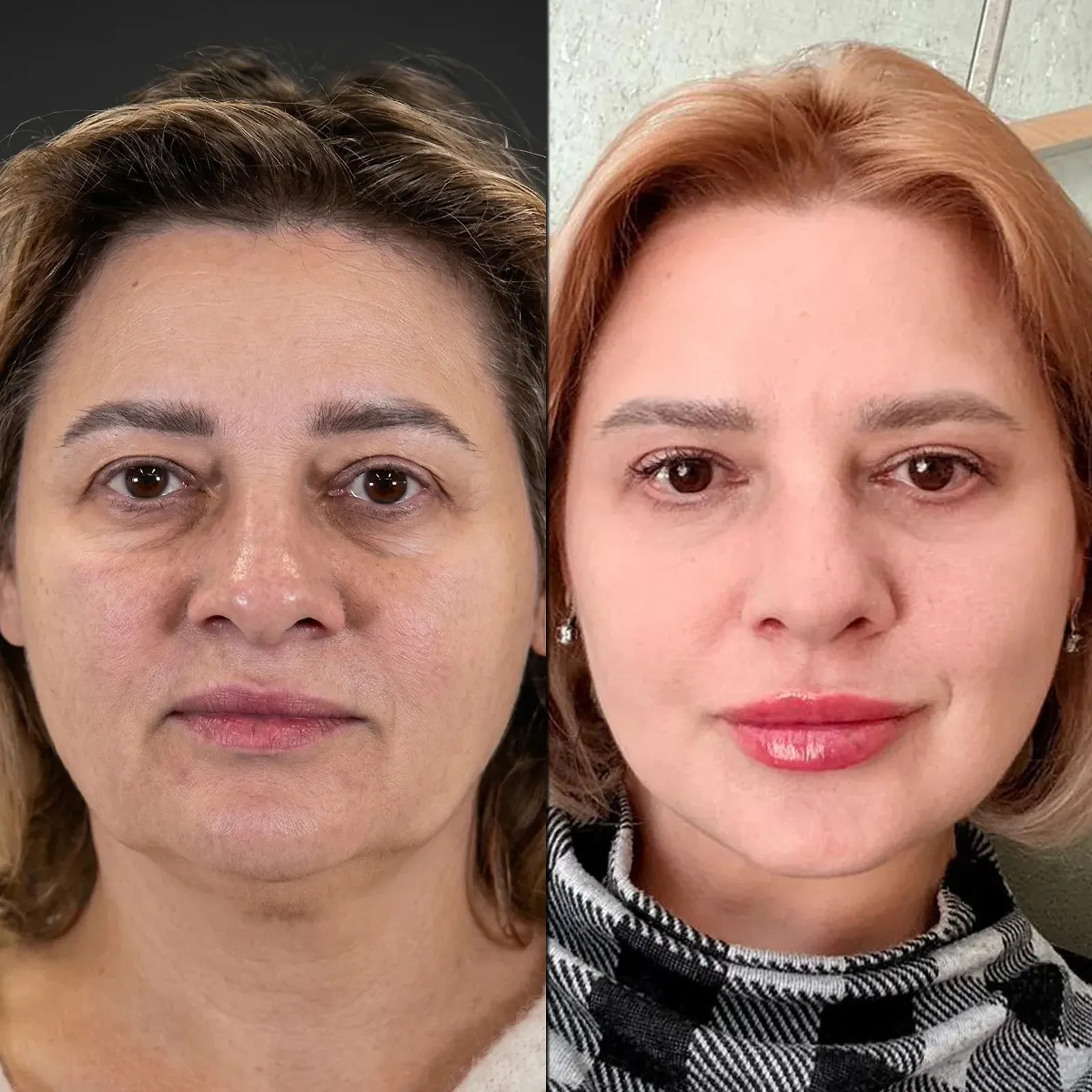
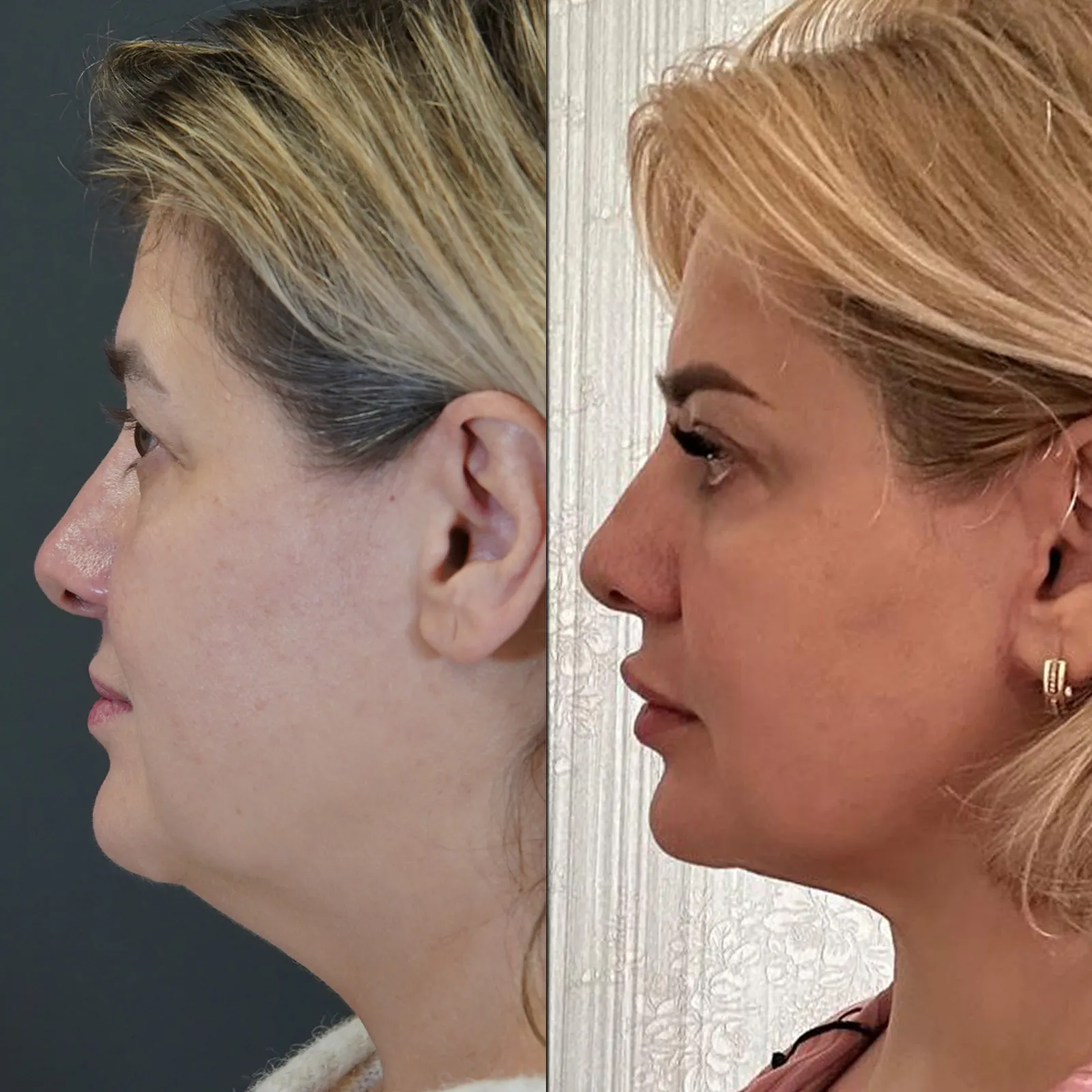
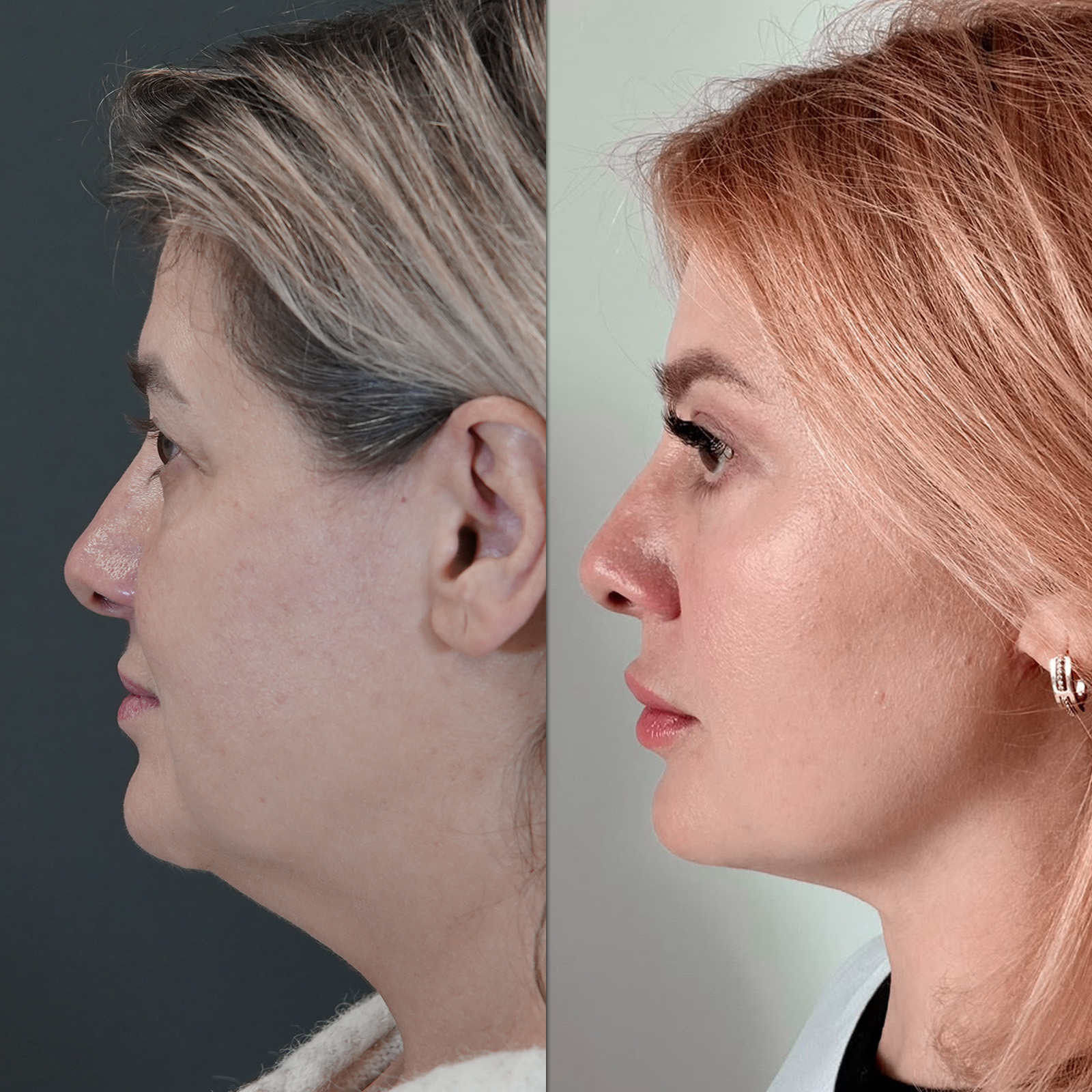
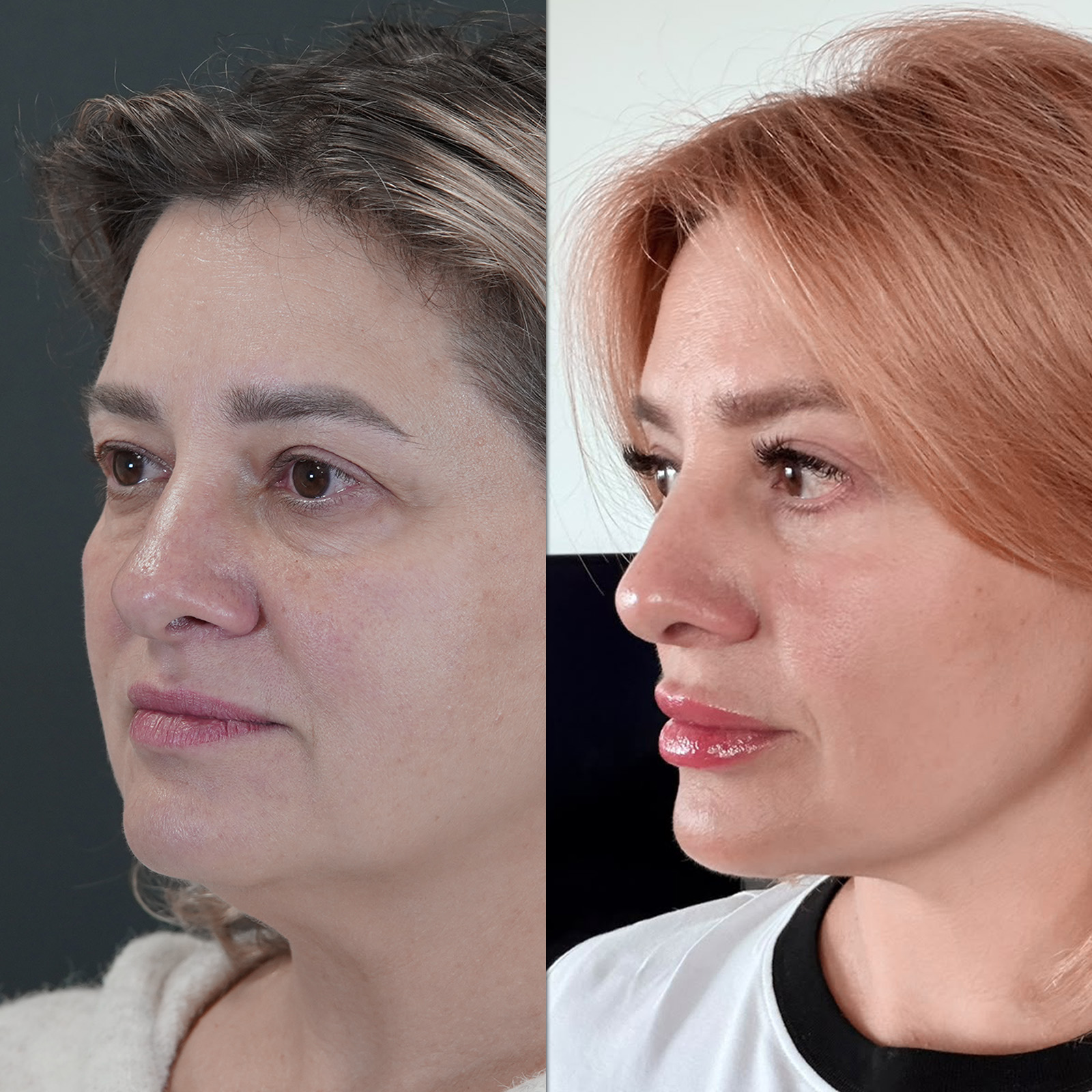
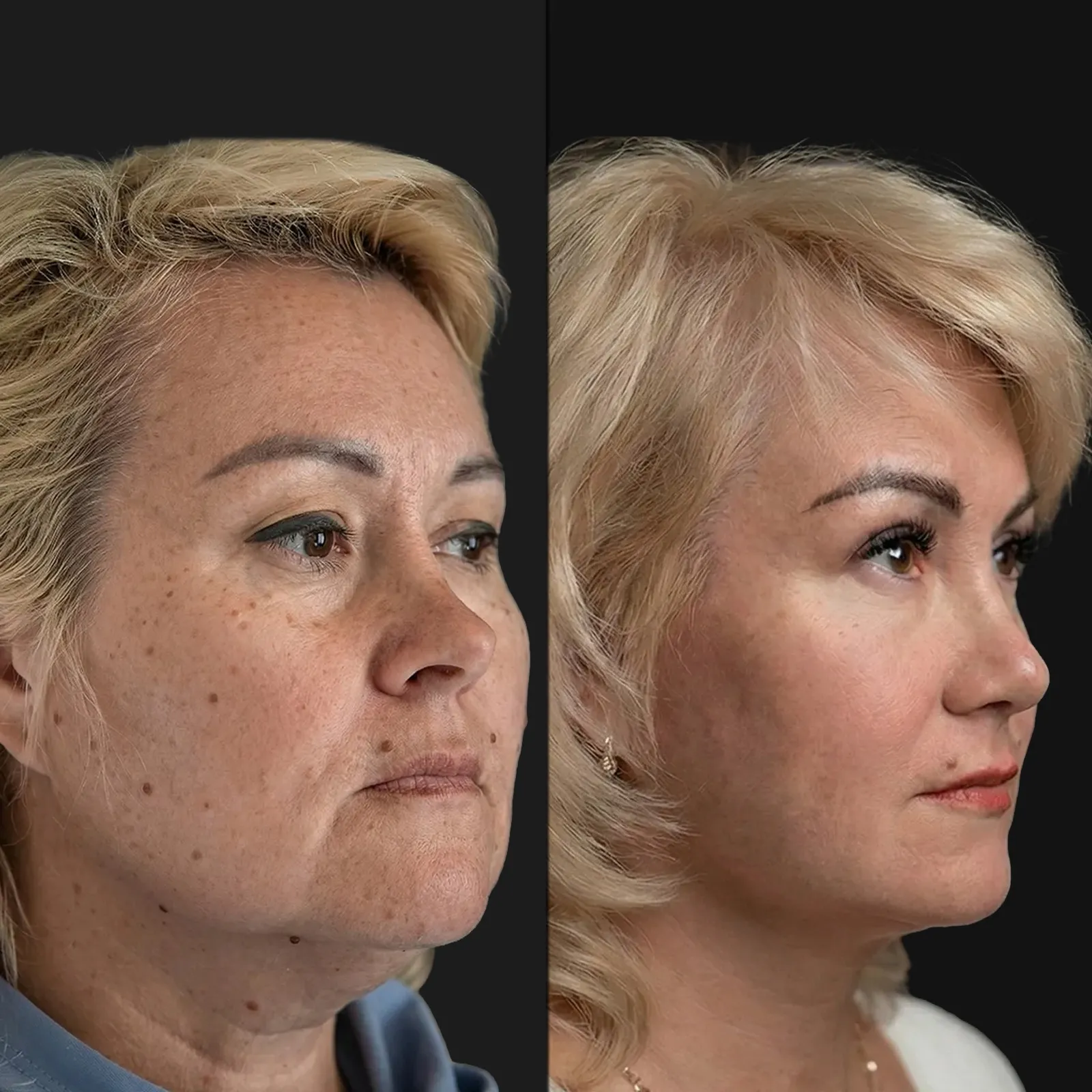
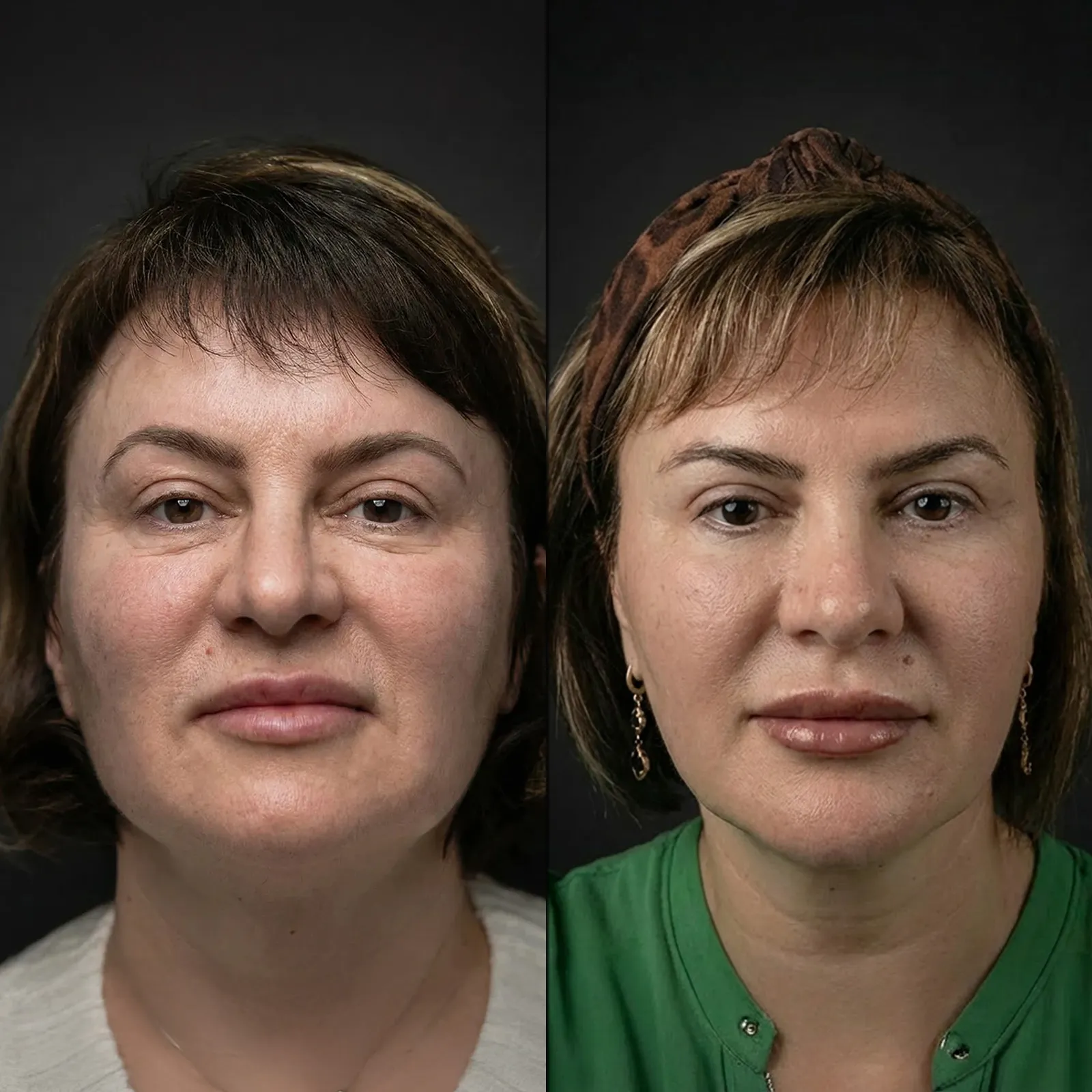
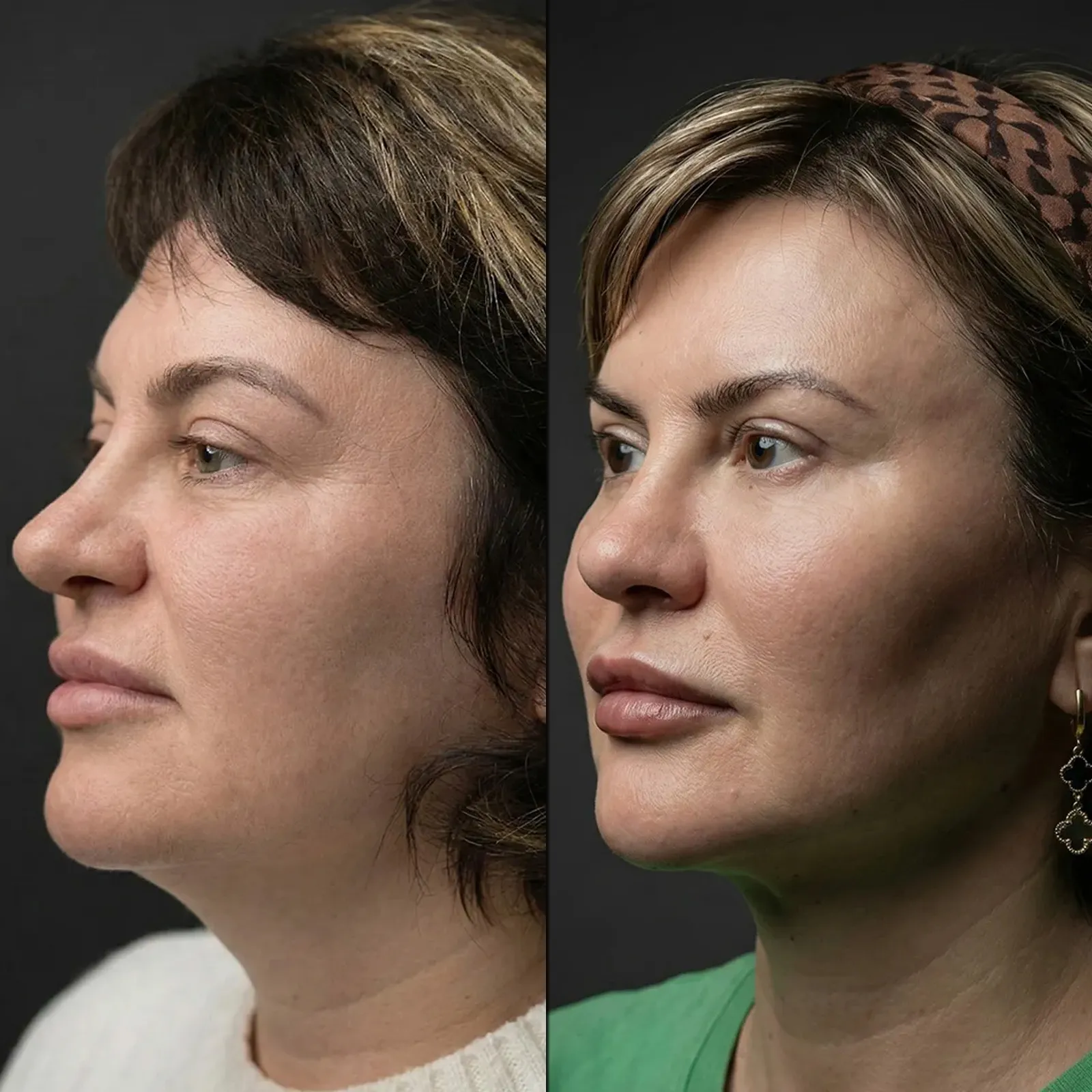
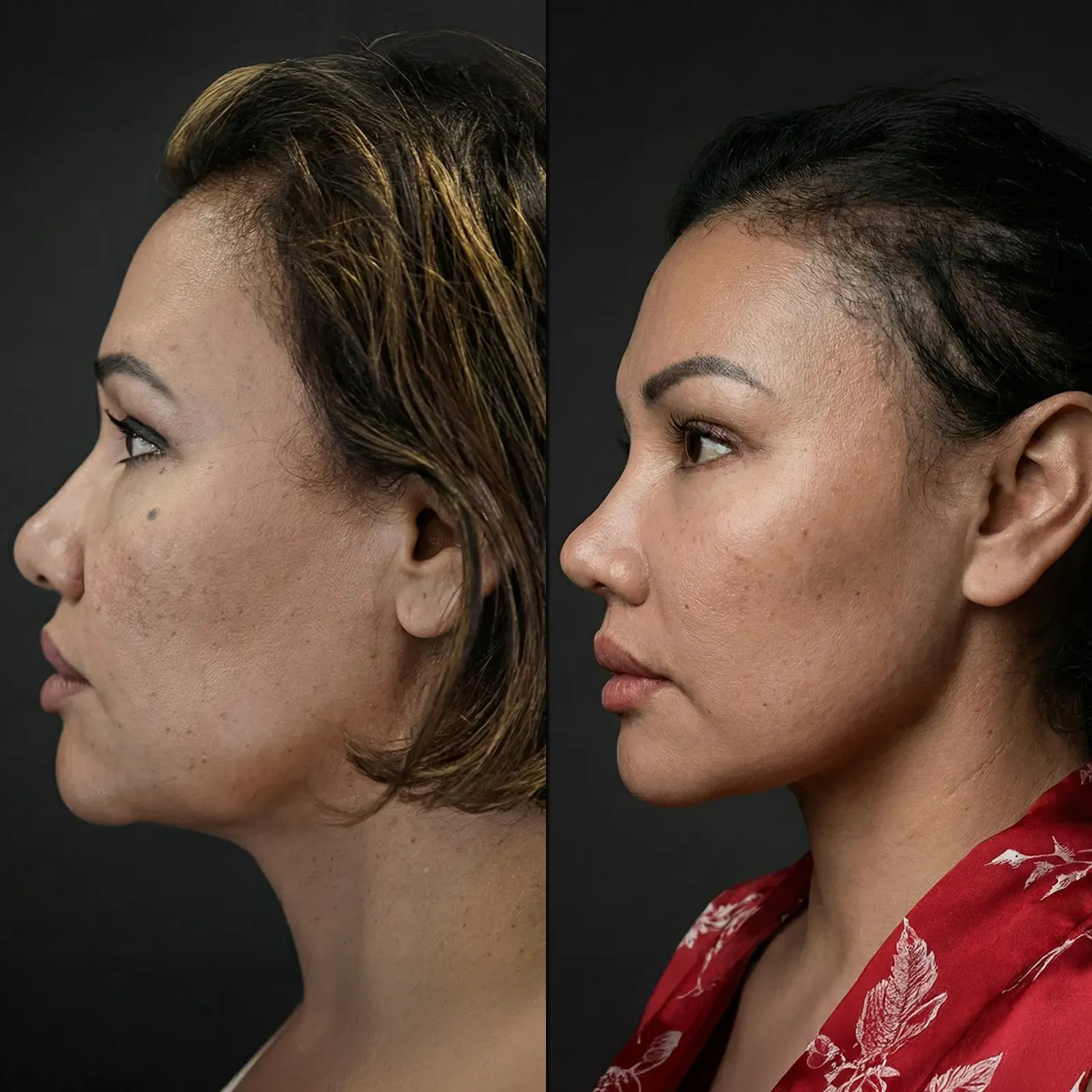
The most well-known of facial rejuvenation surgeries is facelift surgery. The aim of face and neck lift surgery is not to tighten sagging skin. The main aim is to restore the appearance of the face to its youthful state as much as possible.


Facelift surgery is a surgical procedure designed to correct sagging, laxity, and volume loss in the facial tissues that occur with aging. Over time, gravity, reduced skin elasticity, and downward displacement of deeper tissues cause the cheeks to descend, the jawline to lose definition, and the face to appear tired.
Facelift surgery is not merely about tightening the skin. The main goal is to reposition the deeper facial tissues to their anatomically correct location and redrape the skin in harmony with this new contour. The aim is not to change the patient, but to restore a more youthful and refreshed version of their own face.
Neck lift surgery is a surgical procedure performed to correct sagging, laxity, banding, and loss of jawline definition in the neck area. The neck is one of the regions that reveals facial aging most quickly.
This procedure does not involve removing excess skin alone. The neck muscles (platysma) are reshaped, loosened tissues are tightened, and the jaw–neck angle is redefined to create a natural and balanced neck contour.
Various surgical techniques are available in face and neck lift procedures. The choice of technique depends on the degree of sagging, skin quality, and the patient’s expectations.
SMAS techniques, deep plane facelift, mini facelift, and neck-focused approaches are among the most commonly used methods. What matters most is not the name of the technique, but applying the right technique to the right patient.
There is no single correct answer to this question, as there is no one “best” facelift technique suitable for everyone.
The best technique is the one that meets the patient’s needs and is performed safely and effectively by the surgeon. The outcome is determined not by the popularity of the technique, but by proper patient selection and correct execution.
This decision is made based on the patient’s individual needs. In some patients, aging changes are more prominent in the face, while in others the neck is the primary concern.
The face and neck are complementary regions. In most patients, both areas are evaluated together and a combined procedure is planned to achieve a more balanced and natural result.
A mini facelift may be suitable for patients with mild sagging and good skin elasticity. It is a more limited procedure.
A full facelift is preferred in patients with more advanced sagging and provides more comprehensive rejuvenation. What matters is not the extent of the surgery, but how well it addresses the patient’s needs.
Face and neck lift surgeries do not stop the aging process, but they turn back the clock. When performed with the correct technique, the results typically remain noticeable for 8–12 years.
Compared to their preoperative appearance, patients will always look younger. Lifestyle factors and skincare play an important role in the longevity of the results.
There is no specific age limit for face and neck lift surgery. What matters most is the condition of the tissues and having realistic expectations.
Successful results can be achieved in patients who are in good general health and suitable for surgery.
Swelling and bruising are normal in the first weeks after surgery. Most swelling subsides within 2–3 weeks.
Patients can usually return to social life within 10–14 days. It may take several months for the face to fully settle into its final appearance.
Incisions are typically hidden in front of the ear, behind the ear, and within the hairline. When placed correctly, scars fade over time and become less noticeable.
The goal is to make the scars as inconspicuous as possible.
As with any surgical procedure, face and neck lift surgeries carry certain risks. Infection, bleeding, and temporary changes in sensation may occur.
These risks are minimized through proper patient selection, an experienced surgeon, and close postoperative follow-up.
Facelift surgery can be planned together with complementary procedures when needed. Combined approaches may help achieve a more balanced and natural facial rejuvenation by addressing different areas of the face. Your treatment can be customized on an individual basis with Dr. Celal Alioğlu’s other aesthetic surgical options.
Dr. Celal Alioğlu is a European board-certified specialist in plastic, reconstructive, and aesthetic surgery. Based in Istanbul, he combines international surgical standards with a refined, patient-centered approach for both local and international patients.
With memberships in leading global medical organizations and a commitment to continuous professional development, Dr. Alioğlu provides safe, ethical, and personalized surgical care.
More About Dr. Celal +